


Celebrating The Met: Highlights from the Gift of The Metropolitan Museum of Art to the Muzeul Textilelor
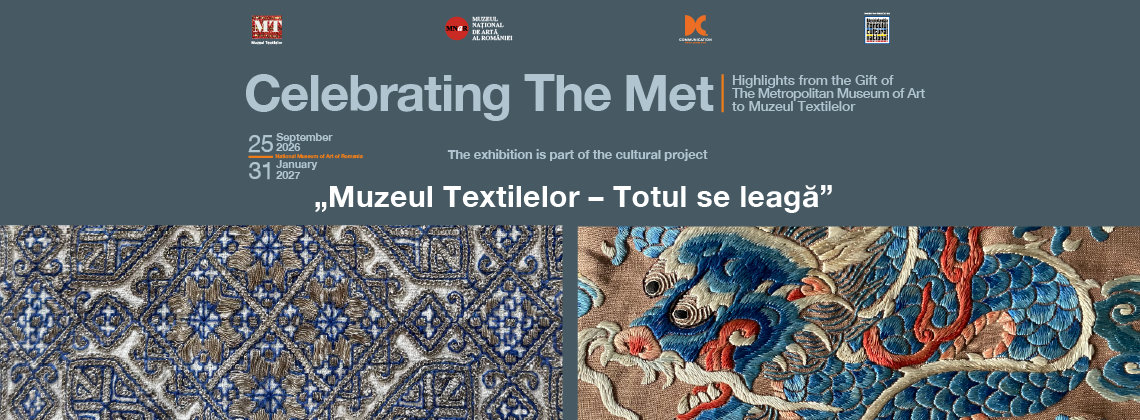
25 September 2026 – 31 January 2027
This exhibition is presented as part of the project “Muzeul Textilelor – Everything Is Connected”
The exhibition presents a selection of garments and textile objects from the gift made by The Metropolitan Museum of Art (The Met), New York, to the Muzeul Textilelor in Băița, Hunedoara County.
The connection between the two institutions is also rooted in a professional relationship built over several decades. Dr Florica Zaharia, founder of Muzeul Textilelor and Conservator Emerita at The Metropolitan Museum of Art, spent twenty-eight years in The Met’s Department of Textile Conservation, which she headed for thirteen years. His experience in researching and preserving textile heritage contributes to the perspective from which the pieces on display in the exhibition are viewed and connected.
The selection on view at the National Museum of Art of Romania brings together objects originating from different geographical and cultural contexts, highlighting both, the distinctive features of individual traditions and the connections between materials, techniques, forms and the ways in which textiles are used.
Romanian textile heritage occupies an important place within this perspective and is presented in dialogue with objects from other cultures. Their juxtaposition reveals similarities and differences that extend beyond geographical boundaries: the ways in which local resources influence the choice of materials, how techniques are adapted and transmitted, and how function, aesthetic expression and cultural identity converge within a textile object.
The exhibition thus invites us to consider textiles not only as heritage objects, but also as bearers of knowledge. Fibers, structures, techniques, colors and ornaments speak of the communities that created them, their relationship with the environment and the resources available to them, and of the practices transmitted across generations.
As part of the project “Muzeul Textilelor – Everything Is Connected”, the exhibition foregrounds the place of Romanian textile heritage within an international context, as well as the role of research in understanding and preserving it. The gift from The MET to Muzeul Textilelor thus becomes the starting point for a dialogue between collections, cultures and textile traditions, as well as for reflection on the ways in which heritage continues to create connections in the present.
Venue:
National Museum of Art of Romania
3rd Floor, Gallery of Oriental Art – Central Hall
Visiting hours:
Wednesday–Friday: 10:00–18:00
Saturday–Sunday: 11:00–19:00
Museography and research: Dr Florica Zaharia
Curator: Teodor Frolu
Organisers: Muzeul Textilelor, National Museum of Art of Romania, DC Communication
Project co-funded by the Administration of the National Cultural Fund (AFCN).
Expoziția-eveniment Muzeul Muzeelor
Muzeul Muzeelor prezintă peste 100 de piese excepționale, selectate din patrimoniul a 20 de instituții muzeale din toată țara, precum și din colecțiile permanente ale Muzeului Național de Artă al României. Rezultatul este o hartă a capodoperelor cunoscute sau mai puțin cunoscute, pe care publicul le poate descoperi de-a lungul și de-a latul țării și, totodată, o invitație de a călători în timp și în profunzimea lumii vii a artelor frumoase. Muzeul Muzeelor propune publicului unica experiență imersivă reală și autentică: contemplarea directă a capodoperelor într-un spațiu calm, dedicat în întregime acestora, fără artificii, fără grabă și fără tehnologii invazive.
Parcursul complex al expoziției reunește opere, epoci și medii artistice dintre cele mai diverse, și desființează granițele geografice și cronologice, precum și limitările convenționale ale criteriilor stilistice și muzeografice rigide. De la misterioșii idoli neolitici ai culturilor Cucuteni și Gumelnița la statui antice precum fascinantul șarpe Glykon, de la capodopere de Mantegna, Rubens și Nicolae Grigorescu la picturile excepționale și unice în România de Cézanne și Bonnard, și de la manuscrise prețioase, extrem de rar sau chiar niciodată prezentate publicului, la icoane și broderii cu fir de aur și argint din România și din Europa, dar și din Orientul Mijlociu sau Japonia, Muzeul Muzeelor reunește o suită de piese de o valoare inestimabilă, care se pun reciproc în lumină într-un veritabil dans al creației și al căutării frumosului, binelui și al celor mai profunde ori înălțătoare vibrații ale spiritului uman.
Născut din dorința de a elibera curatorii de convențiile profesiei și de a regăsi impulsul autentic al vocației – dragostea pentru frumos și bine –, Muzeul Muzeelor este o sinteză care pune publicul față în față cu arta, invitând fiecare vizitator să construiască propriile punți culturale și emoționale, inefabile și atemporale, între operele care alcătuiesc muzeul ideal al fiecăruia dintre noi, acolo unde cele mai diverse opere se înrudesc, indiferent dacă aparțin muzeelor de arheologie, istorie, etnografie sau de artă veche, modernă ori contemporană.
Expoziția va putea fi vizitată în perioada 12 iunie - 4 octombrie 2026, la MNAR, parterul Galeriei Naționale.
Partener oficial: Banca Transilvania
Expoziție realizată cu sprijinul: Asociației Prietenii MNAR
Parteneri instituționali: Complexul Muzeal „Iulian Antonescu” - Bacău, Biblioteca Academiei Române - București, Institutul de Arheologie „Vasile Pârvan” - București, Muzeul Național de Istorie al României - București, Muzeul Municipiului - București, Muzeul Memorial „Nicolae Grigorescu” - Câmpina, Muzeul de Artă - Craiova, Muzeul de Artă - Constanța, Muzeul de Istorie Națională și Arheologie - Constanța, Muzeul Regiunii Porților de Fier - Drobeta Turnu-Severin, Muzeul Mitropoliei Moldovei - Iaşi, Muzeul Civilizaţiei Gumelniţa - Oltenița, Muzeul Județean de Artă Prahova „Ion Ionescu-Quintus” - Ploiești, Complexul Muzeal Național Neamț - Piatra Neamț, Muzeul Național Brukenthal - Sibiu, Muzeul Național Peleș - Sinaia, Muzeul Național de Artă - Timișoara, Muzeul de Artă "Dinu și Sevasta Vintilă" - Topalu, Institutul de Cercetări Eco-Muzeale „Gavrilă Simion” - Tulcea, Muzeul Județean „Aurelian Sacerdoțeanu” - Vâlcea
Expoziția „Brâncuși. Sindromul”
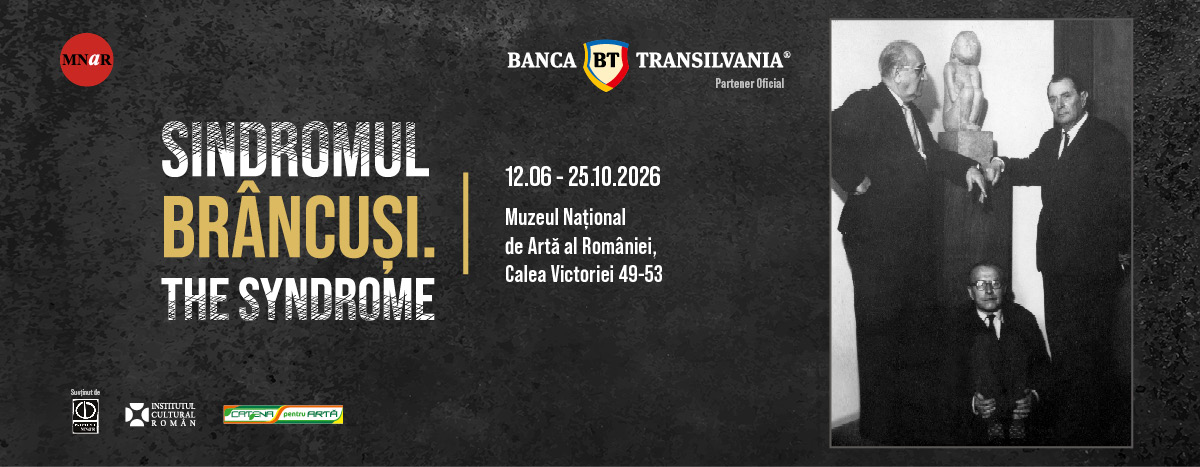
„Brâncuși. Sindromul” este prilejuită de împlinirea a 150 de ani de la nașterea lui Constantin Brâncuși și propune publicului o perspectivă aparte asupra influenței operei sale, analizând diversele tipuri de discursuri artistice construite în jurul lucrărilor și personalității celui mai important sculptor modern, din perioada interbelică până la ora actuală. Două fire narative, care se întrepătrund pe parcursul ultimului secol, pot fi puse sub semnul unui veritabil sindrom Brâncuși, devenit endemic în cultura românească. Pe de-o parte, expoziția arată forța modelatoare și dominatoare a personalității și operei brâncușiene asupra artei moderne și contemporane românești. Pe de altă parte, expoziția surprinde felul în care se formează și se propagă în spațiul vizual românesc figura mitică al lui Brâncuși, ca simbol național, cultural și spiritual.
Parcursul expozițional reunește lucrări care urmăresc atât imaginea artistului, cât și ecourile formale, simbolice și critice ale creației sale. Publicul va putea vedea, între altele, portrete ale lui Brâncuși semnate de M.H. Maxy, Theodor Pallady și Milița Petrașcu, lucrări-omagiu realizate de M.H. Maxy și Vasile Dobrian, sculpturi de Milița Petrașcu, Irina Codreanu, Hans Mattis-Teutsch, Ion Irimescu, George Apostu, Ovidiu Maitec sau Vasile Gorduz, precum și interpretări și recuperări contemporane ale motivelor brâncușiene - de la studiile lui Paul Neagu după „Pasărea în spațiu”, „Peștele”, „Domnișoara Pogany”, „Pasărea măiastră” și „Coloana”, până la lucrări de Iosif Kiraly, Teodor Graur, Mircea Cantor, Vlad Nancă, Michele Bressan sau Dan Perjovschi.
Odată cu consacrarea globală a lui Brâncuși, îndeosebi după 1970, ca „părinte al sculpturii românești”, figura lui devine tot mai apăsătoare în contextul în care nu doar în sfera culturală sonoritatea numelui său crește, ci se răspândește necontrolat în spațiul public. Astfel se ivesc în locurile cele mai diverse mini-coloane ale infinitului, mese ale tăcerii sau porți ale sărutului, golind de sens aceste repere-cheie ale creației sale, declanșând o invazie a kitschului, care merge de la utilizarea acestor bine-cunoscute forme ca decorațiuni pe o serie infinită de produse, de la coperte de caiet sau de carte la pachete de țigări.
Începând cu anii 90, fenomenul Brâncușomaniei, neafectat, ba chiar intensificat odată cu schimbarea de regim, este documentat, analizat și pus în discuție de către artiști precum Iosif Kiraly, Teodor Graur, Dan Perjovschi sau Mircea Cantor. Curatoriată de Judit Balint și Erwin Kessler, expoziția Brâncuși. Sindromul chestionează și pune în paralel toate aceste discursuri diverse, atât artistice, cât și din afara sferei artei, dezvoltate în jurul numelui și operei lui Brâncuși, oferind o imagine complexă a ceea ce înseamnă influența sa asupra spațiului social, cultural și imaginar românesc.
Expoziția va putea fi vizitată în perioada 12 iunie - 25 octombrie 2026, la MNAR, parterul Galeriei Naționale.
Partener oficial: Banca Transilvania
Expoziție realizată cu sprijinul: Asociației Prietenii MNAR, Institutul Cultural Român.
Parteneri instituționali: Muzeul de Artă Vizuală Galaţi, Centrul de Cultură „George Apostu”, Bacău, Muzeul „Vasile Pârvan”, Bârlad, Muzeul Băncii Naționale, Muzeul de Artă Constanța, Muzeul Județean Mureș, Muzeul Național de Artă Contemporană (MNAC), Muzeul Național de Istorie a României.
The Gallery of Oriental Art
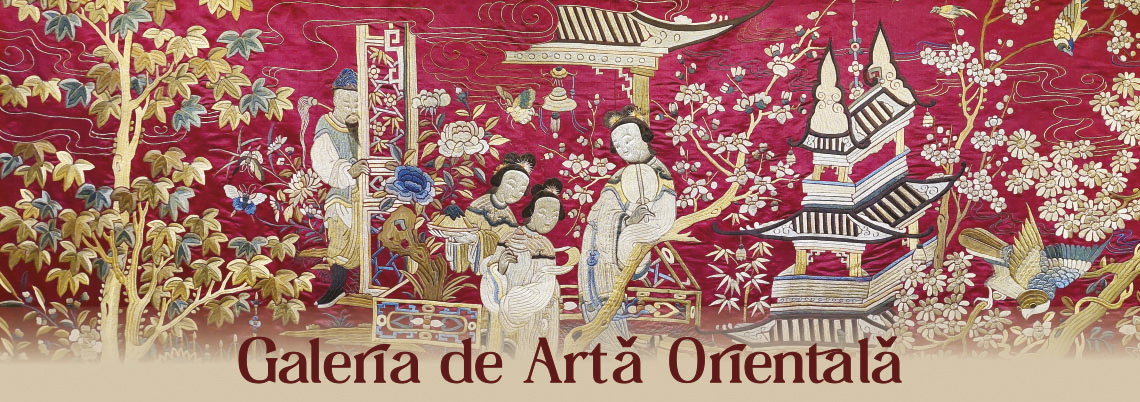
Located on the third floor of the National Museum of Art of Romania central building on Calea Victoriei, alongside the European Decorative Arts Gallery, the Oriental Art Gallery shows nearly 600 art objects from Azerbaijan, Bulgaria, China, Dagestan, Egypt, Greece, India, Iran, Japan, Syria, Turkey, Turkmenistan, and Uzbekistan. The pieces are selected from the most significant and valuable collection of Oriental and Far Eastern art in the country, managed by NMAR.
The creation of this new permanent exhibition, unique in Romania, is the result of a collaborative effort involving museum curators, conservators, restorers, technicians and management as well as several partners, sponsors, and donors who supported the project over time: the "Friends of NMAR" Association, JTI, BRD Groupe Societe Generale, Camelia Șucu, Raiffeisen BANK, Coca-Cola Romania, Romcar, Banca Comercială Română, Tomini Trading, TNT Romania, Solmar Trading Group, Soft Medica, Romtelecom, Unilever, Veronica Savanciuc, ITH Management Office, CitiBank Romania, Leadership Development Romania, National Bank of Romania, Topo Capital Corporation, Domeniile Sâmburești and AQUA Carpatica.
Reopening of The European Decorative Art Gallery, 15th of January 2024
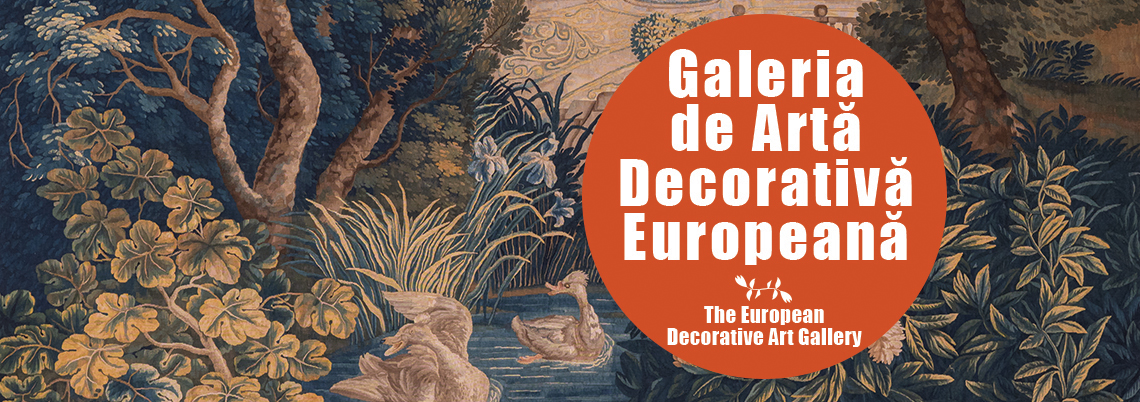
With an area of over 400 square meters, the European Decorative Art Gallery, composed of six rooms, illustrates four centuries of history of taste and refinement, innovations, manufactures and European craftsmen from Austria, Belgium, the Czech Republic, Switzerland, France, Germany, Italy, Holland, Spain, Russia from the 16th-19th centuries and completes the museum's permanent exhibition, alongside the European Art Gallery and the National Gallery.
Included in the exhibition is a wonderful marriage box made in Dresden in 1586, ceramics from the famous faience factories of Delft (Netherlands), Manises (Spain), Montelupo Fiorentino and Savona (Italy), Rouen, Moustiers and Sèvres (France), Meissen (Germany), Provençal furniture and French tapestries, as well as special silver pieces alongside the famous Bohemian crystal glasses. The craftsmanship of Russian craftsmen can be admired in the delicate cloisonné silver pieces, the niello silver glasses or the Punch Bowl made by the famous Fabergé workshop. Also, a precious collection of watches illustrates the excellence of jewelers and watchmakers from the most important workshops in Europe.
The presence of these objects in Romania attests to the fact that our country has always been in a European circuit of exchanges of cultural values.
Europe was not only the space for the manifestation of secular practices in the artistic field, but also a place where the creative input from other continents merged into defining expressions of the exceptionality of the human spirit. These varied cultural influences have, over time, contributed to the definition of a European identity that is also reflected in the gallery display.
The opening of the European Decorative Art Gallery is due to a passionate and involved team from the National Art Museum of Romania, made up of museographers, conservators, restorers and technicians, but also to an important contribution of sponsors and partners without whom this far-reaching project would not be possible. would have been possible: Association "Friends of MNAR", Raiffeisen BANK, Camelia Șucu, Coca-Cola Romania, Romcar, Banca Comercială Română, Tomini Trading, TNT Romania, Solmar Trading Group, Soft Medica, Romtelecom, Unilever, Veronica Savanciuc, ITH Management Office, CitiBank Romania, Leadership Development Romania, Banca Națională a României, Topo Capital Corporation.
The spaces that house this gallery have gone through an extensive redevelopment process, being heavily affected by the earthquake in 1986 and the fire in 1989. The opening required the creation of showcases in accordance with the latest standards in the field, ensuring both security and high standard display.
The European Decorative Art Gallery benefits, for the first time, from a digital component, the MyMNAR application, to be used during the visit in the gallery to complement the exhibition course in an interactive way.
Access to the European Decorative Art Gallery is through entrance A2, floor 3, Calea Victoriei 49-53, Bucharest, Wednesday - Friday, 10:00 - 18:00 and Saturday- Sunday, 11:00 - 19:00.
Discover our collections!
The National Museum of Art of Romania, the Art Collections Museum, the Theodor Pallady Museum and the K. H. Zambaccian Museum can be visited from Wednesday to Sunday, between 10:00 and 18:00.
You can also follow us on Facebook and Instagram and access more information on this website.
#aproapedeARTA #MNAR
The National Museum of Art of Romania is the country’s prime holder of Romanian, European and Oriental art. Located in the former Royal Palace in Bucharest, it includes the National Gallery (Romanian medieval and modern art) and the European Art Gallery. Apart from numerous temporary exhibitions, visitors can also join guided tours of the former Throne Hall and other spaces of historical relevance.
The Art Collections Museum, the K.H. Zambaccian Museum and the Theodor Pallady Museum are equally part of the National Museum of Art of Romania.
***
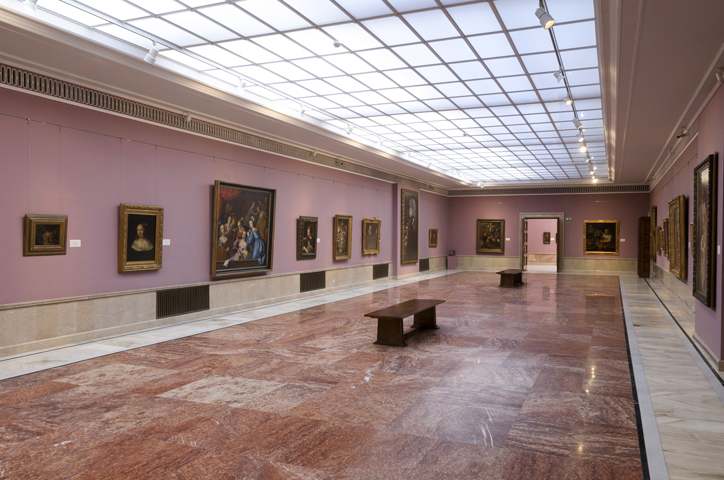
The European Art Gallery
The Gallery hosts Romania’s premier collection of European art. In time, the Picture Gallery of King Carol I was complemented with works from various the Ioan and Dr. Nicolae Kalinderu, Toma Stelian, Anastasie Simu, and Al. Saint-Georges collections alongside paintings from the Bucharest Municipal Picture Gallery. After 1950 the collection continued to grow through donations and acquisitions.

Portrait of a Child
On the occasion of International Children's Day, the National Museum of Art of Romania and the organization Save the Children are organizing a special program.
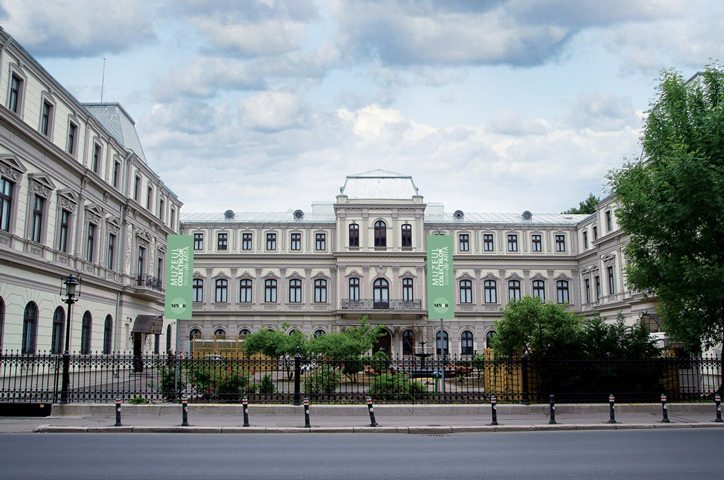
The Art Collections Museum
Inaugurated in 1978 as a Department of the National Museum of Art of Romania, the Art Collections Museum showcases artistic interests that prevailed in Romanian society from the early 20th century onward. Over 30 collections on permanent display incorporate a variety of art pieces and collectibles, ranging from Romanian and European fine and decorative arts to Oriental art. Donated over nearly a century by both collectors and artists, they bear witness to their owners’ taste and economic power, their leaning toward famous names or contemporary art, as well as to the artists’ particular interests, surroundings, and daily studio practice. Works by well-known Romanian painters such as Theodor Aman, Nicolae Grigorescu, Ioan Andreescu, Nicolae Tonitza, Gheorghe Petraşcu, Theodor Pallady, Lucian Grigorescu, Iosif Iser, Camil Ressu, Francisc Şirato, Alexandru Ciucurencu, Dimitrie Ghiaţă are exhibited alongside European and Japanese prints and drawings, French furniture, Oriental carpets, and folk icons from Transylvania. This unique museum is hosted by the former Romanit palace. The building, an example of modern Bucharest architecture, was recently restored and refurbished. Wherever possible, displays suggest the original layout and atmosphere of individual collections.


